
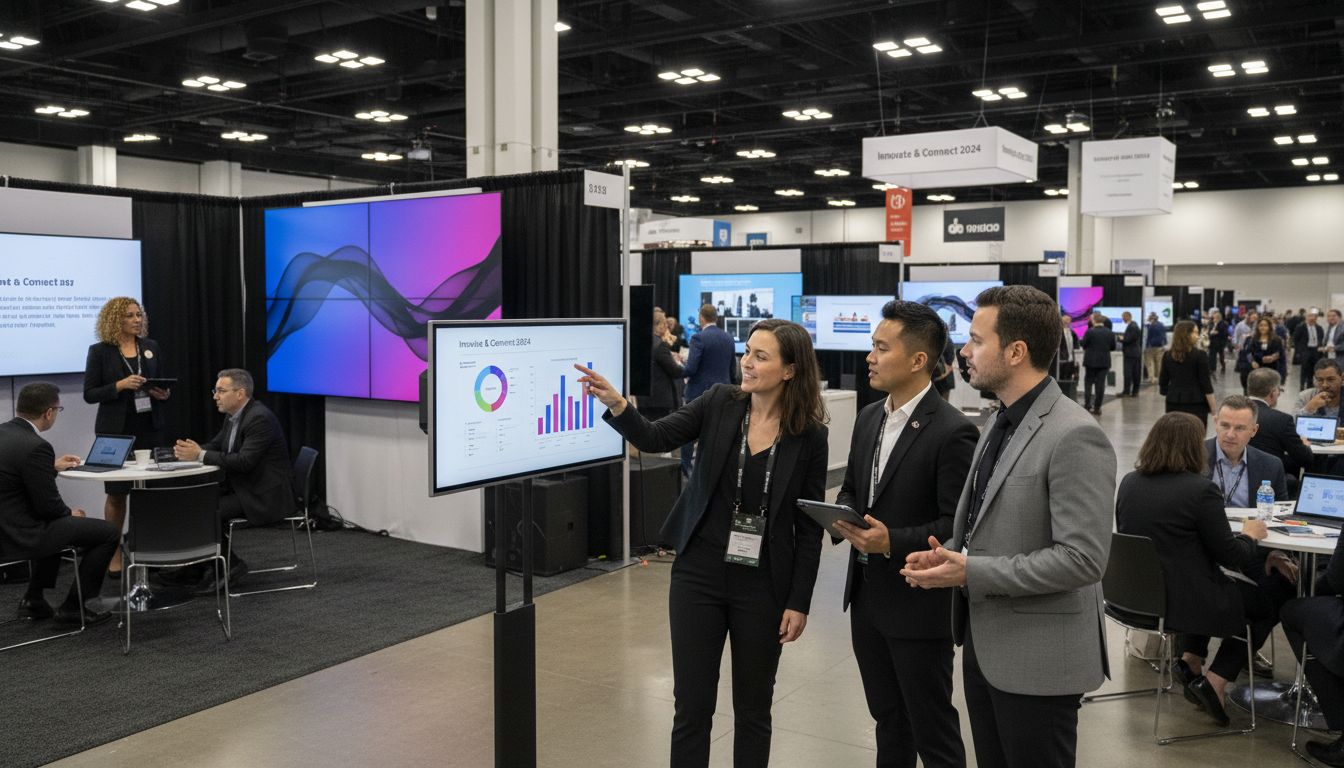
Over 60 percent of american business professionals rely on portable displays to enhance presentations and engage audiences across diverse settings. From bustling trade shows to intimate client meetings, the right visual technology makes information clearer and more compelling. Unlocking how portable displays work helps any american organization create vibrant, impactful communication without the hassle of bulky equipment or complicated setups.
Table of Contents
- Defining Portable Displays And Their Purpose
- Key Types Of Portable Displays For Events
- Benefits And Features Enhancing Event Visibility
- Setup, Logistics, And Practical Considerations
- Maximizing Branding Impact With Portable Displays
- Avoiding Common Mistakes And Pitfalls
Key Takeaways
| Point | Details |
|---|---|
| Portable Displays Enhance Communication | These displays are essential for delivering information effectively in various environments, providing high resolution and versatility. |
| Types of Portable Displays | Options include interactive displays and immersive technologies, enabling engaging presentations and audience interactions. |
| Strategic Branding Opportunities | Businesses can create lasting impressions by leveraging consistent visual branding through innovative display techniques. |
| Importance of Technical Preparation | Comprehensive planning and testing before events are crucial to prevent technical issues and ensure smooth operations. |
Defining Portable Displays and Their Purpose
Portable displays represent dynamic visual communication tools designed to deliver information efficiently across various professional and personal environments. According to research from Oxford Academic, these technologies play a critical role in human-computer interaction by presenting information directly to human sensory systems.
At their core, portable displays are thin, lightweight screens engineered to provide flexibility and mobility. As Wikipedia notes, these devices offer superior linearity and higher resolution compared to traditional display technologies. They are characterized by several key attributes:
- Lightweight and compact design
- Easy transportability
- High-resolution visual output
- Versatile connectivity options
- Adaptable to multiple environments
These displays serve multiple purposes across professional sectors. Event organizers leverage them for dynamic presentations, trade show exhibitors use them to showcase brand messaging, and business marketers deploy them to create engaging visual experiences. Their primary function is to communicate information quickly, clearly, and with maximum visual impact.
Understanding portable displays requires recognizing their evolution from bulky, stationary screens to sleek, mobile communication platforms. Modern portable displays integrate advanced technologies that enable seamless information transfer, making them indispensable tools for professionals seeking effective visual communication strategies. Learn more in our comprehensive guide on display technologies to explore how these innovative tools are transforming visual communication landscapes.
Key Types of Portable Displays for Events
Portable displays encompass a diverse range of visual communication technologies designed to meet the dynamic needs of modern event environments. These versatile tools enable businesses and organizations to create compelling visual experiences across different professional settings.
Interactive displays represent a powerful category of portable display technology. Wikipedia highlights interactive whiteboards as large display systems that connect seamlessly with computers and projectors, making them exceptional for collaborative presentations and engaging audience interactions. These displays typically include:
- Touchscreen-enabled surfaces
- Wireless connectivity options
- Real-time annotation capabilities
- High-resolution screen displays
- Integrated multimedia support
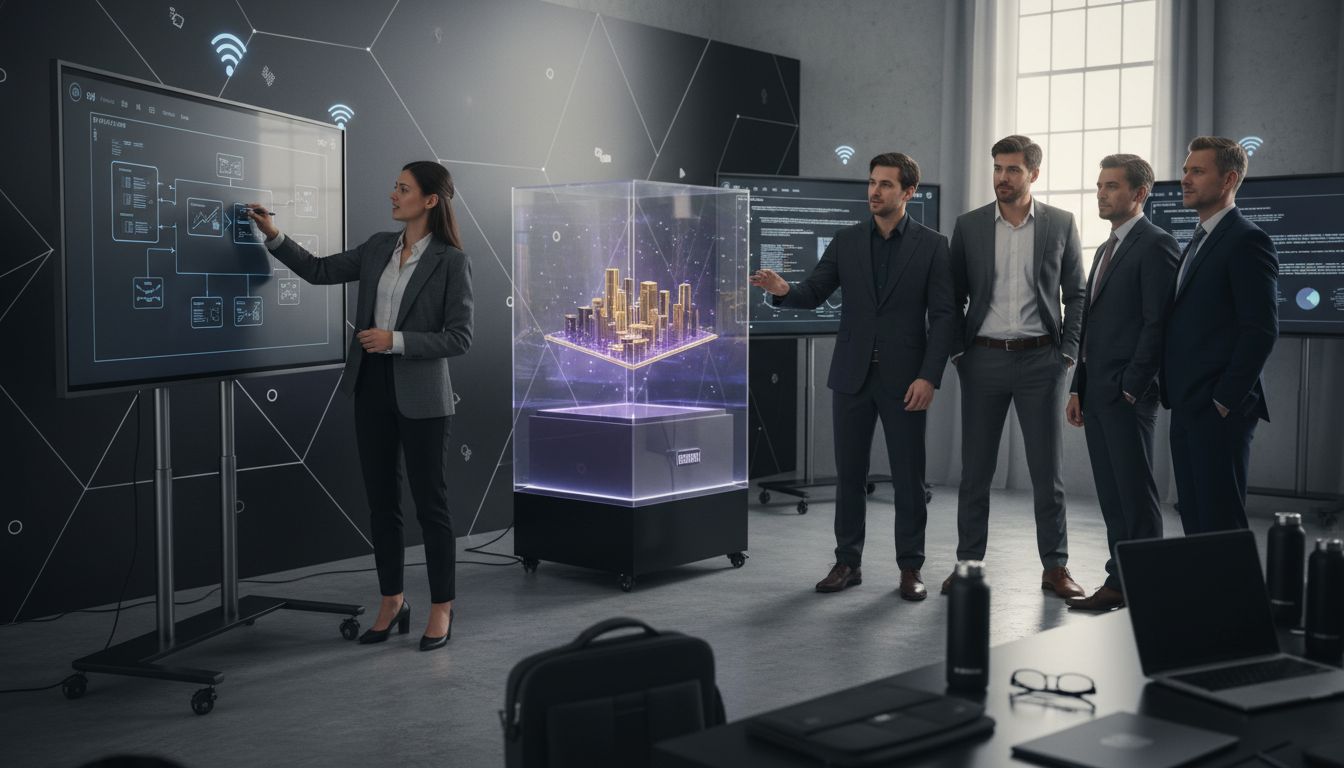
Another innovative category involves immersive visual technologies. As Wikipedia explains, volumetric displays create three-dimensional imagery by strategically emitting, scattering, or relaying illumination from precise spatial regions. These advanced portable displays offer transformative experiences for event attendees, allowing for unprecedented visual storytelling and engagement.
Event professionals can choose from multiple portable display types, including LED screens, projection systems, digital signage, and interactive kiosks.
 Learn more about selecting the right event displays in our comprehensive guide to maximize your event’s visual impact and audience connection.
Benefits and Features Enhancing Event Visibility
Portable displays have revolutionized event communication by offering unprecedented capabilities for capturing audience attention and delivering dynamic visual experiences. These innovative technologies transform how organizations communicate, engage, and create memorable interactions during professional gatherings.
Interactive technologies play a crucial role in enhancing event visibility. Wikipedia highlights touchscreens as powerful tools that enable direct interaction with displayed content, dramatically improving audience engagement. These interactive features typically include:
- Responsive touch interfaces
- Real-time content manipulation
- Intuitive navigation systems
- Personalized user experiences
- Seamless multimedia integration
Presentation technologies further expand visibility potential. As Wikipedia explains, document cameras allow real-time image capture and display, enabling presenters to share detailed visual information with large audiences. This technology transforms how information is communicated, making complex concepts more accessible and engaging.
Event professionals can leverage these advanced display technologies to create immersive, interactive environments that capture attendee interest and communicate messages with unprecedented clarity.
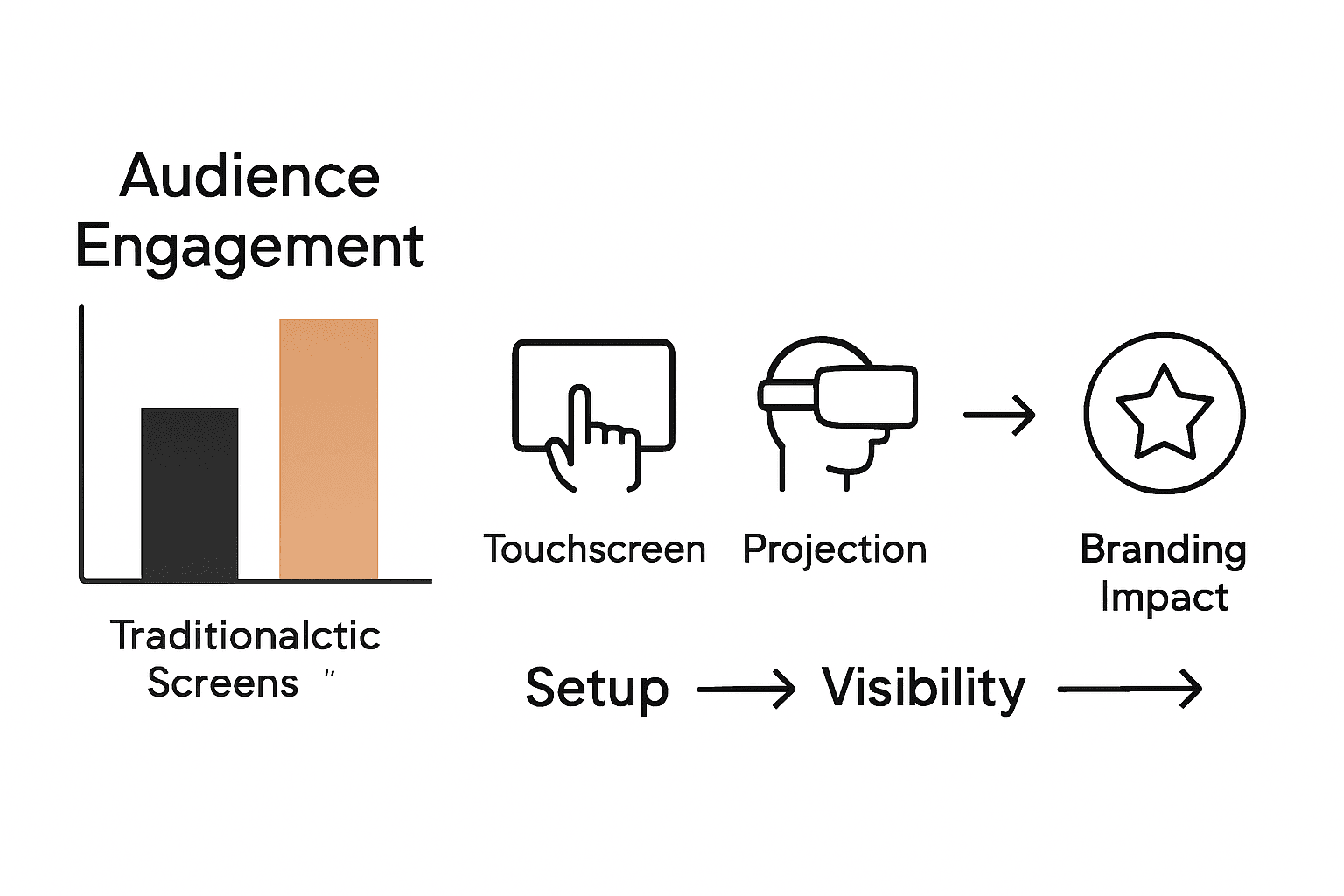 Explore our guide on maximizing audience engagement through strategic display techniques to unlock the full potential of modern visual communication strategies.
Setup, Logistics, and Practical Considerations
Successful deployment of portable displays requires meticulous planning and strategic approach to ensure seamless integration into event environments. Event professionals must navigate complex technical and logistical challenges to maximize the impact of visual communication technologies.
Display configuration represents a critical aspect of event preparation. Wikipedia highlights that interactive whiteboards offer versatile setup options, including front and rear projection configurations, each presenting unique logistical considerations. When planning display setups, event managers should evaluate:
- Power and electrical requirements
- Spatial placement and viewing angles
- Connectivity infrastructure
- Compatibility with existing technical systems
- Backup and redundancy strategies
Portability and transportation are paramount for modern display solutions. Wikipedia notes that flat-panel displays provide exceptional lightweight design, facilitating easier transportation and rapid deployment across different event spaces. Key considerations for portable display logistics include:
- Weight and dimensions of display equipment
- Protective carrying cases and transportation protocols
- Setup and breakdown time requirements
- Adaptability to various venue configurations
- Technical support and on-site troubleshooting capabilities
Careful planning transforms potential logistical challenges into streamlined, professional presentation experiences. Discover comprehensive strategies for outdoor display management in our expert guide to ensure your event’s visual communication strategy remains smooth and impactful.
Maximizing Branding Impact With Portable Displays
Strategic visual communication transforms portable displays from simple information platforms into powerful branding instruments that capture audience attention and create lasting organizational impressions. These dynamic technologies offer unprecedented opportunities for businesses to communicate their brand narrative with precision and creativity.
Innovative presentation methods are critical for effective branding. Wikipedia highlights how presentation techniques like poster sessions enable organizations to disseminate information while reinforcing brand identity. Successful branding strategies through portable displays typically involve:
- Consistent color palette alignment
- Strategic logo placement
- Compelling visual storytelling
- Clear messaging hierarchy
- Engaging multimedia integration
Advanced visual technologies further expand branding possibilities. Wikipedia explains that volumetric displays provide three-dimensional visual representations, offering cutting-edge methods to showcase brand materials with unprecedented depth and interactivity. These technologies enable brands to create immersive experiences that transcend traditional two-dimensional marketing approaches.
Event professionals can leverage these innovative display technologies to craft memorable brand experiences that resonate with target audiences. Explore our comprehensive guide on maximizing trade show branding impact to transform your visual communication strategies and create lasting audience connections.
Avoiding Common Mistakes and Pitfalls
Successful portable display deployment requires proactive planning and strategic anticipation of potential technical and operational challenges. Event professionals must develop comprehensive strategies to mitigate risks and ensure smooth visual communication experiences.
Technical preparation stands as a critical factor in preventing display malfunctions. Wikipedia emphasizes the importance of proper setup and calibration for interactive technologies, highlighting several key preventative measures:
- Conduct thorough equipment pre-event testing
- Verify software and hardware compatibility
- Prepare backup communication systems
- Train staff on emergency troubleshooting protocols
- Develop comprehensive technical contingency plans
Operational readiness is equally crucial for maintaining display reliability. Wikipedia notes that ensuring touchscreen compatibility and proper maintenance helps prevent potential operational issues during critical event moments. Common pitfalls event professionals should anticipate include:
- Inadequate power supply management
- Insufficient signal connectivity
- Improper environmental configuration
- Lack of technical support resources
- Insufficient staff training on display technologies
Navigating these challenges requires meticulous preparation and a proactive approach to technology management. Explore our comprehensive guide on trade show display strategies to develop robust solutions that minimize technical risks and maximize event communication effectiveness.
Elevate Your Event Presence With Expert Portable Display Solutions
The challenge of capturing and maintaining audience attention at events requires more than just good content it demands visually striking, easy-to-transport displays that truly represent your brand. This guide highlights the importance of interactive, high-resolution, and versatile portable displays that make your message clear and memorable while solving common issues like complicated setups and technical glitches. If you want to create engaging brand experiences while simplifying logistics, you need quality display products designed for real event environments.
Discover how you can transform your event presence with our range of Roll Up Banner Stands and lightweight Gazebos that combine mobility, striking visuals, and easy setup.
Bring your brand to life and amplify your message with premium customizable display solutions from Live Displays. Act now to secure your free artwork proof and enjoy fast, reliable shipping to get your event ready display items in time. Visit our site today and take the next step toward flawless event visibility and unforgettable branding impact.
Frequently Asked Questions
What are portable displays and their primary functions?
Portable displays are lightweight, mobile screens designed for dynamic visual communication. They are used in various professional environments for presentations, showcasing brand messaging, and creating engaging visual experiences, allowing for quick and clear information delivery.
What types of portable displays are commonly used at events?
Common types of portable displays include interactive displays, LED screens, projection systems, digital signage, and interactive kiosks. These tools enhance audience engagement and create compelling visual experiences.
How can I enhance audience engagement using portable displays?
You can enhance audience engagement by utilizing interactive technologies, such as touchscreens and document cameras. These tools allow for real-time content manipulation and provide immersive experiences that capture attendee interest.
What should I consider when setting up portable displays for an event?
When setting up portable displays, consider factors such as power and electrical requirements, spatial placement and viewing angles, compatibility with existing systems, and transportation logistics. Proper planning ensures a smooth and effective presentation experience.
Share:
The Essential Guide to Investing in Custom Displays
How to Design Event Displays for Maximum Brand Impact